From the log yard.
What we have learned turning Western Slope logs into lumber: the species we cut, how wood dries and moves, and how to get the most out of a tree.
Species we cut
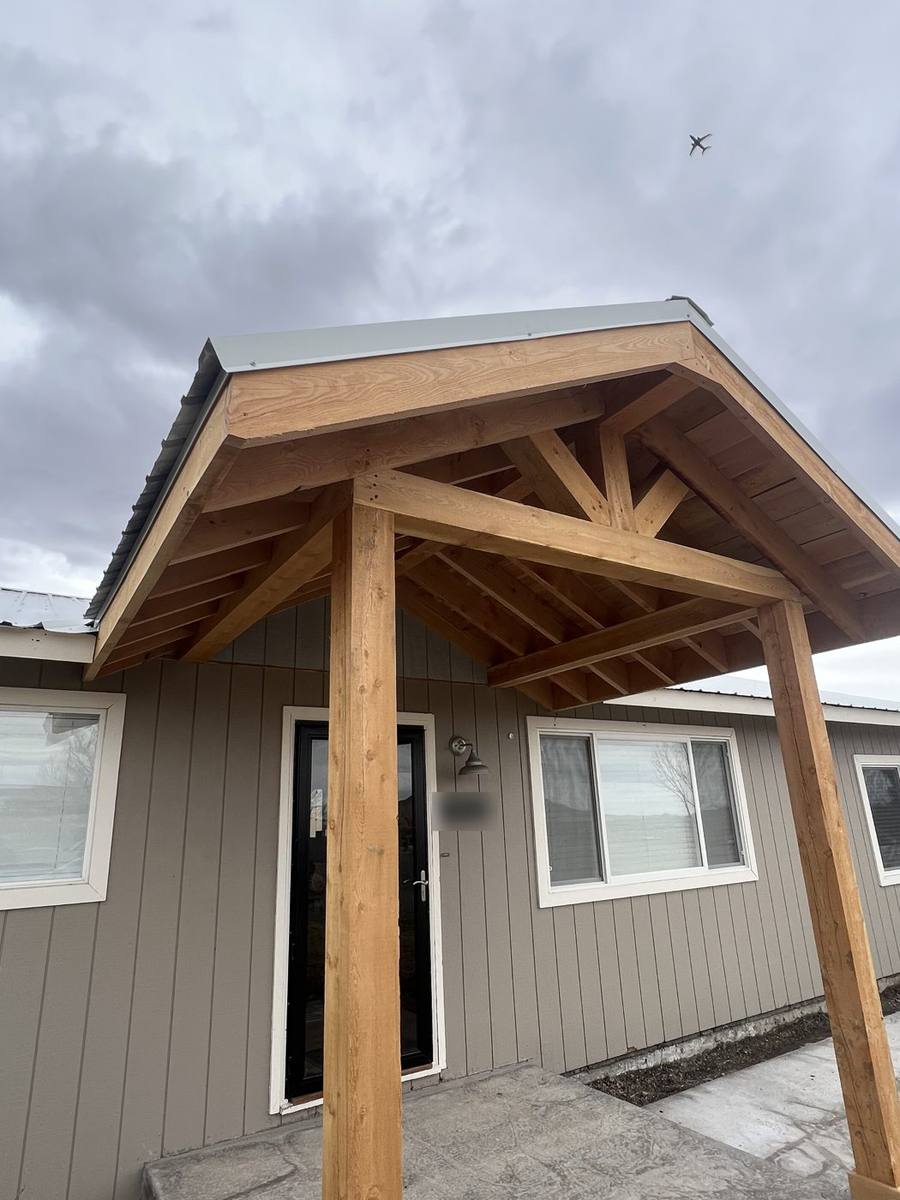
Douglas Fir: The Local Wood That Carries the Load
Why Douglas fir is our go-to for timbers, beams and ceilings, how Western Slope fir grows and dries, and what it is not for.
Read it →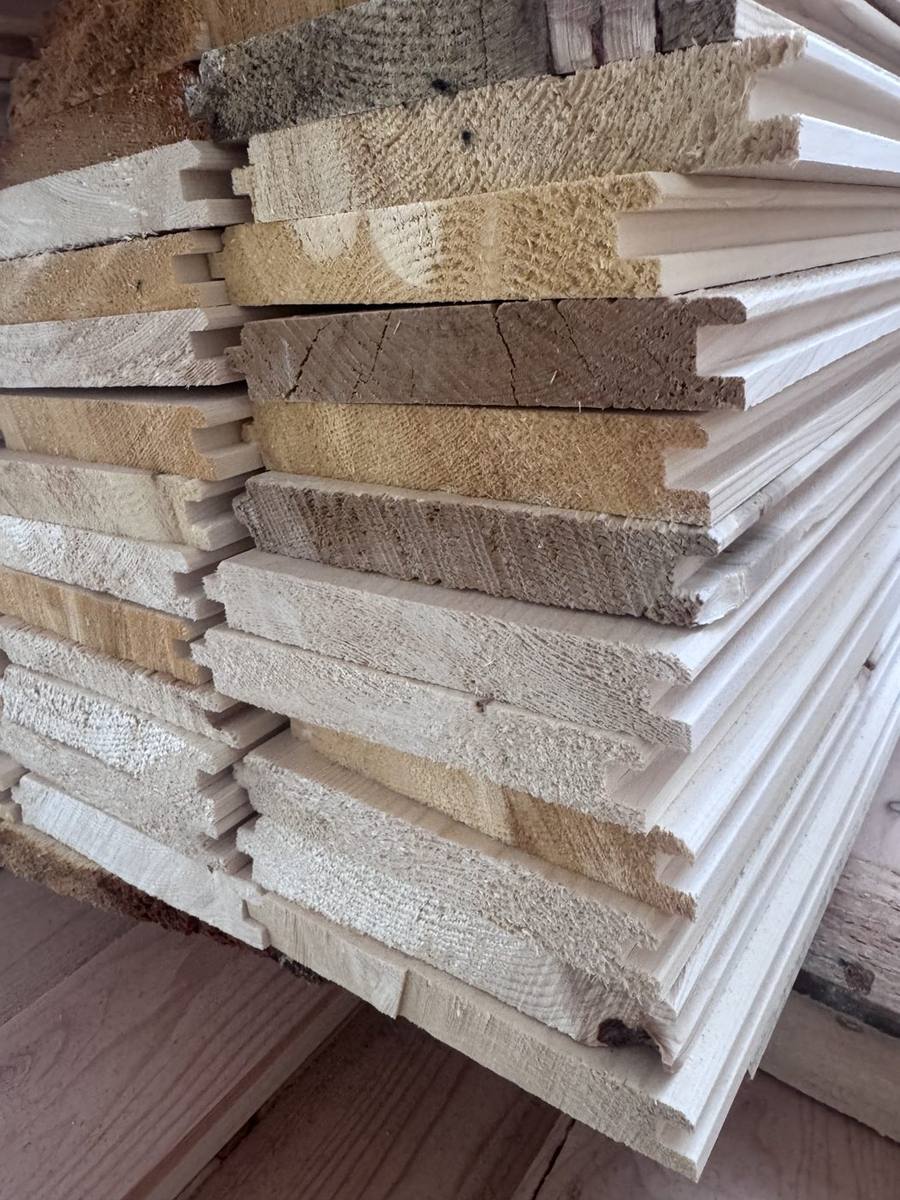
Spruce Lumber: Smooth, White and Straight
Why spruce is the smooth, clean, white wood of our three softwoods, how to size it for timbers, and where it does not belong.
Read it →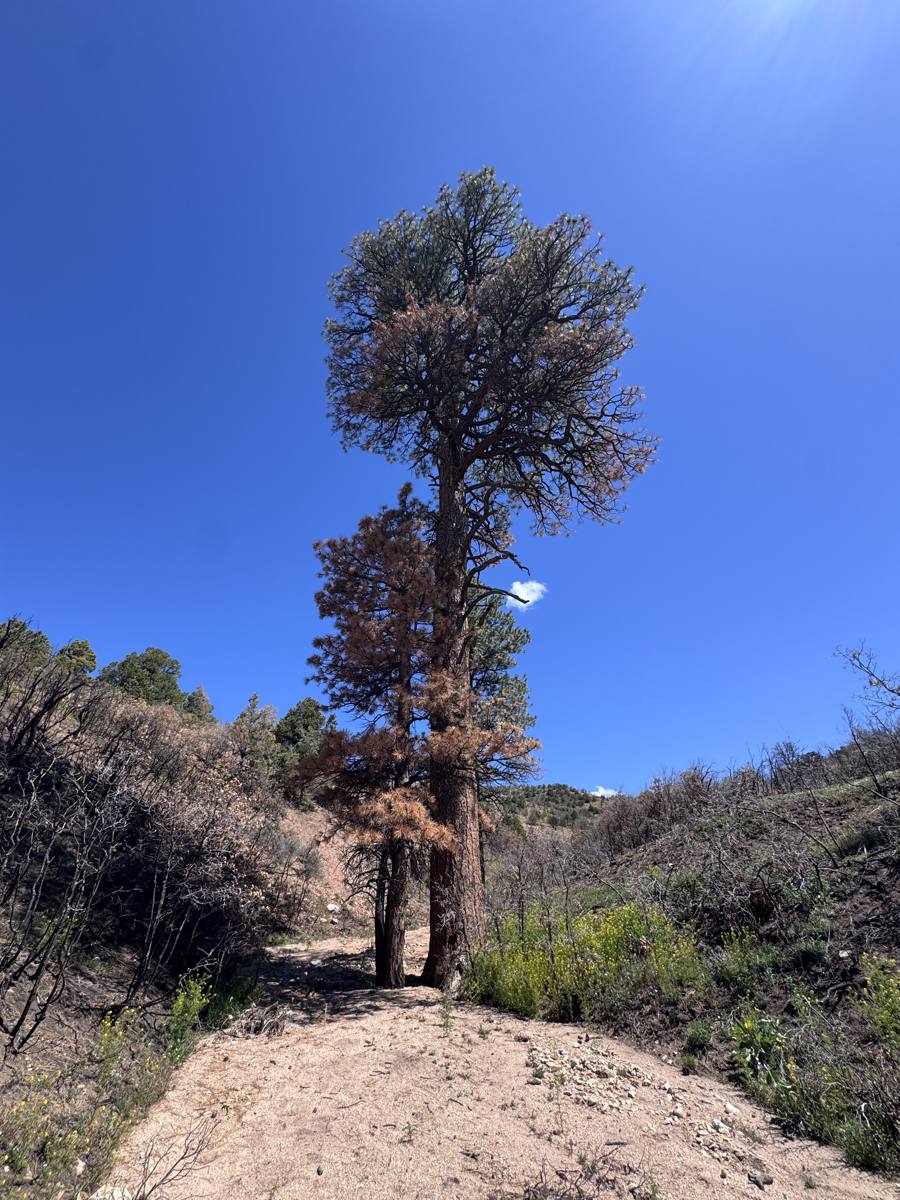
Ponderosa Pine: The Utility Wood We Should All Use More
What ponderosa pine is good for, why it makes great siding, fencing and posts, where it falls short, and why we want to use more of it.
Read it →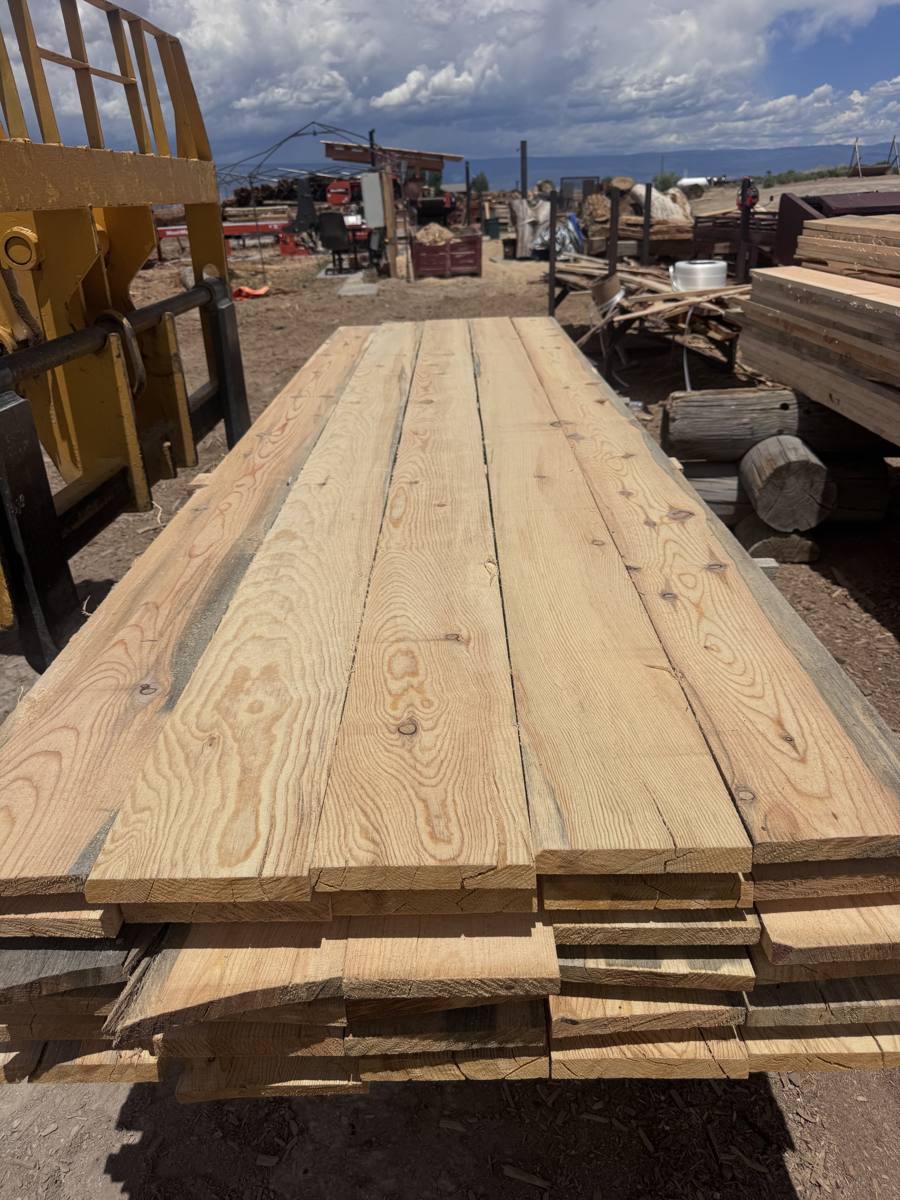
Blue Stain Pine: Beetle Kill Is Not Bad Wood
Blue pine, blue stain, beetle kill and denim pine are the same wood. What causes the color, what the research says about strength, and why we cut it.
Read it →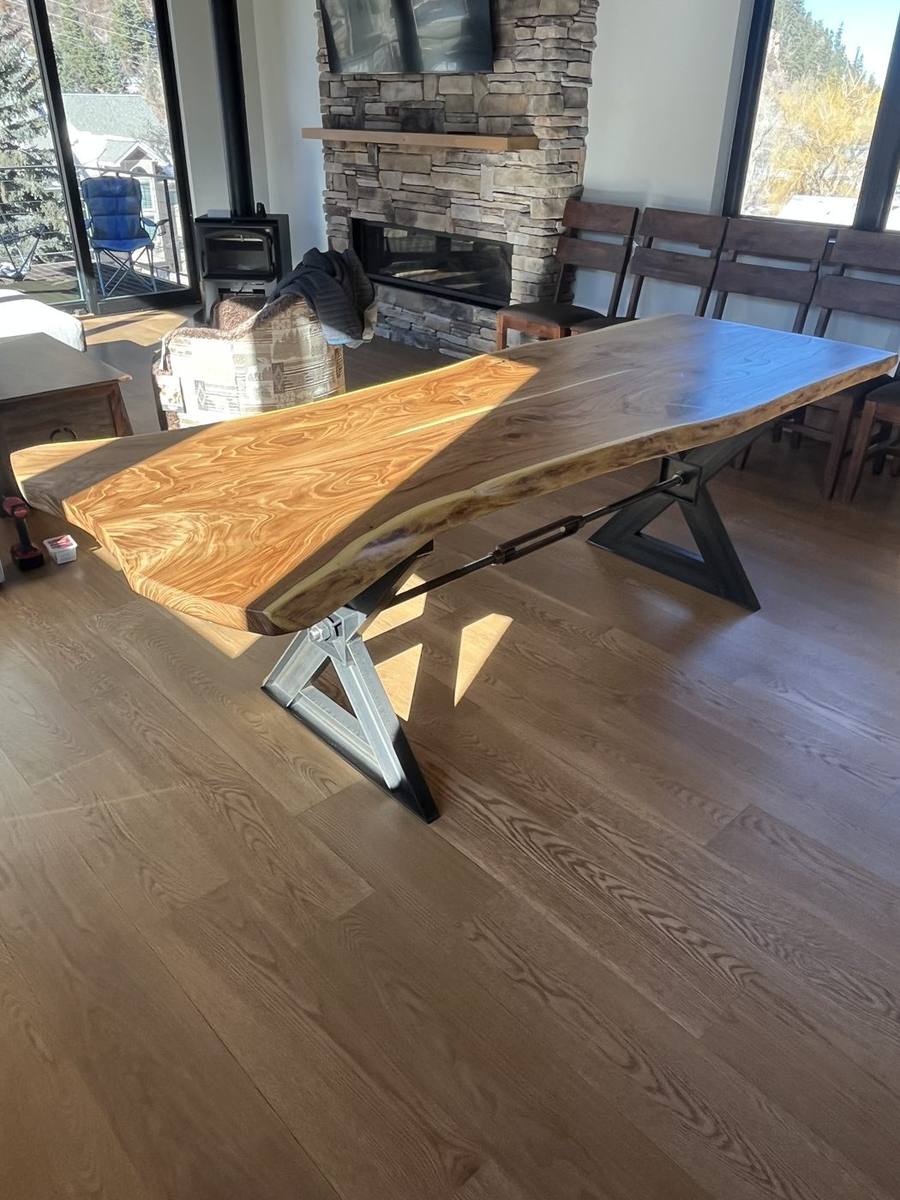
Siberian Elm: The Most Underrated Wood There Is
Why the nuisance elm in Colorado yards makes beautiful tables, flooring and paneling, how we dry it, and whether it will stay flat.
Read it →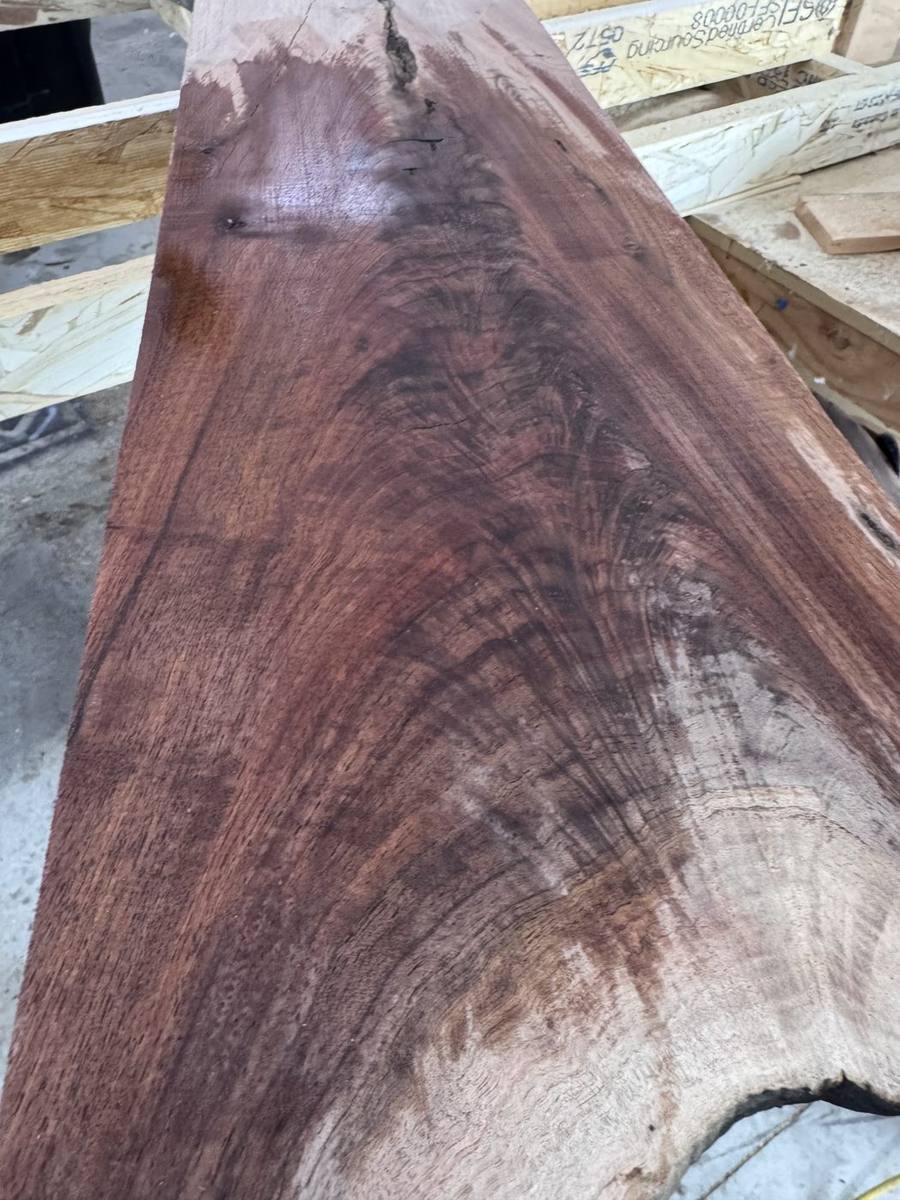
Western Colorado Walnut: Rare, and Worth the Wait
We have milled four walnut trees, ever. What Western Slope walnut looks like, English vs black, sapwood, drying and what to do if one comes down.
Read it →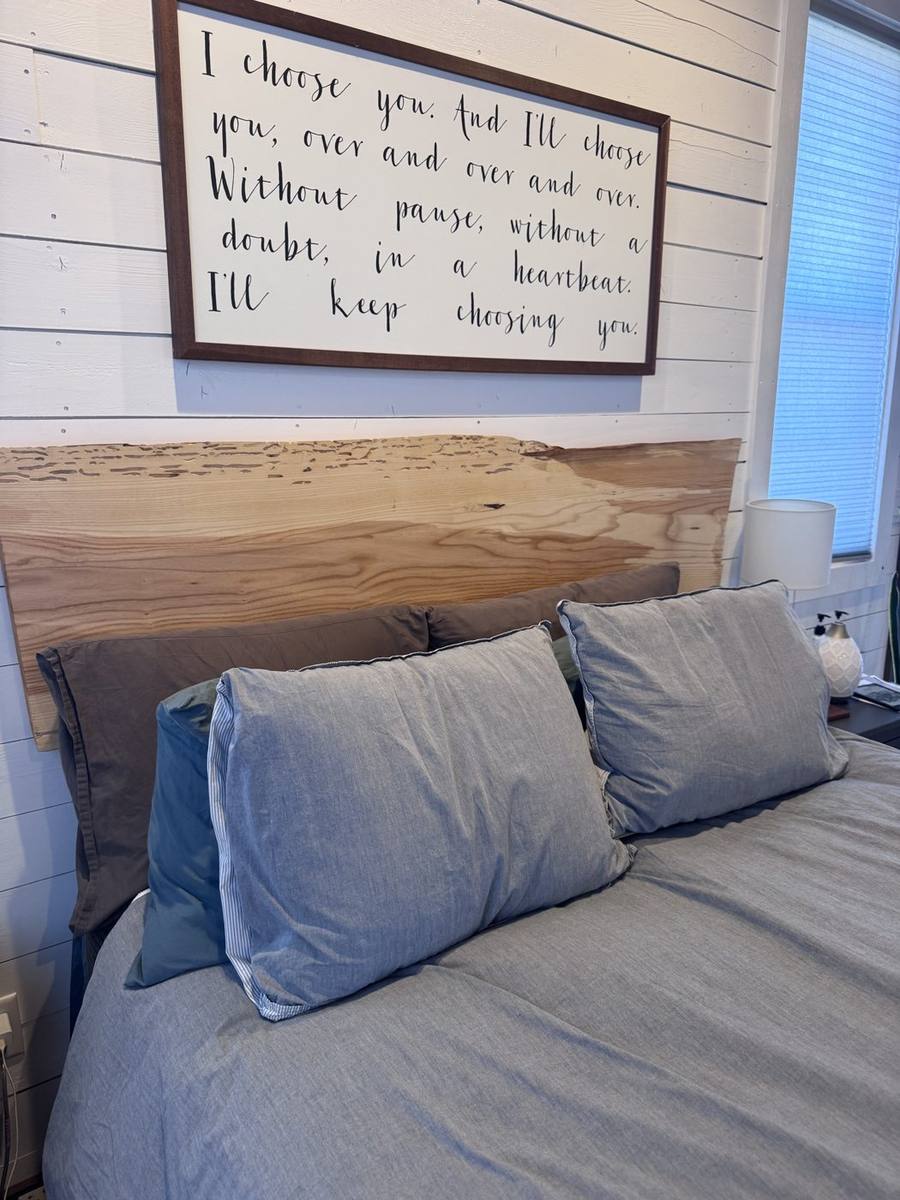
Colorado Ash: City Trees That Make Hard, Beautiful Wood
Why the ash trees coming down in Montrose, Delta and Grand Junction make great floors and furniture, what the lilac ash borer is, and where emerald ash borer stands.
Read it →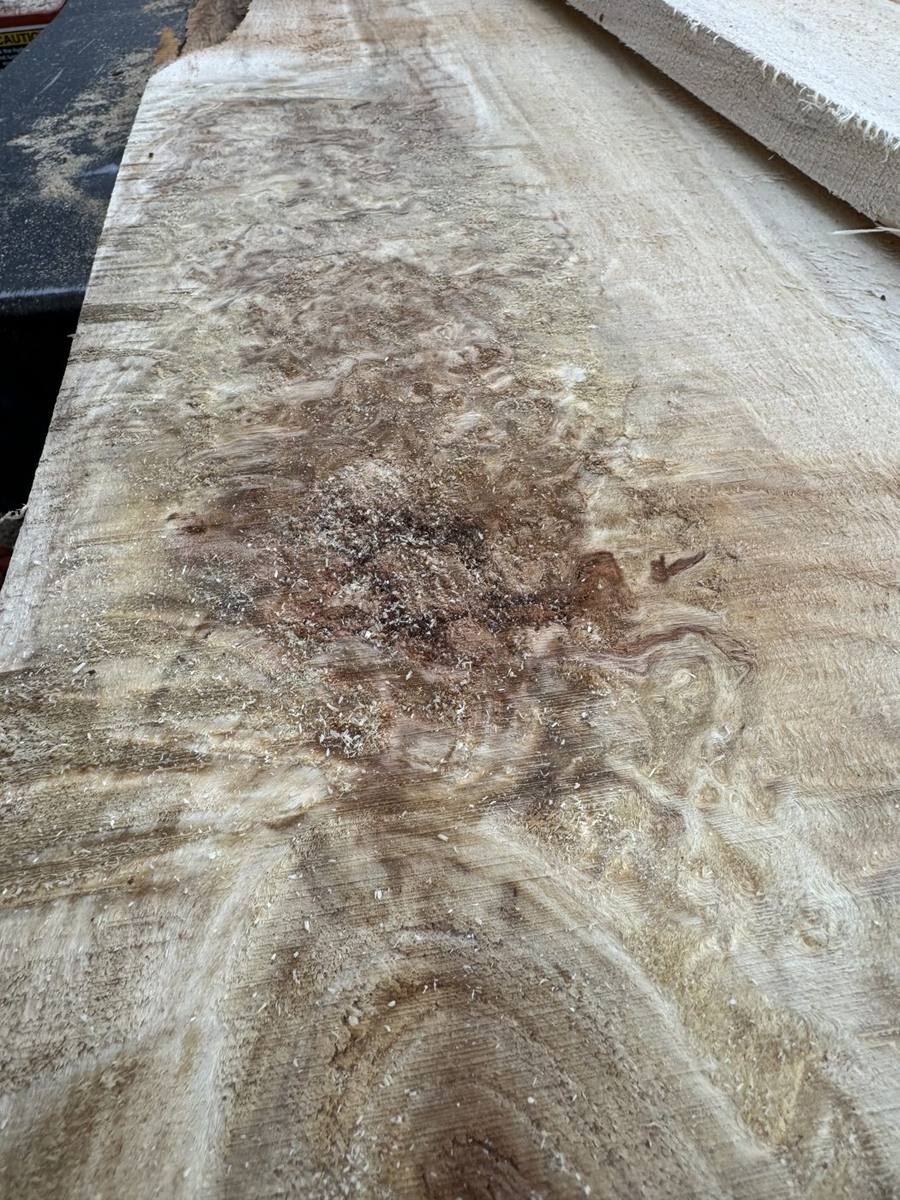
Cottonwood: More Than Firewood
The river cottonwood everybody has makes surprising tables and shelves, and old-timers swear by it for trailer decks. What to know before you mill one.
Read it →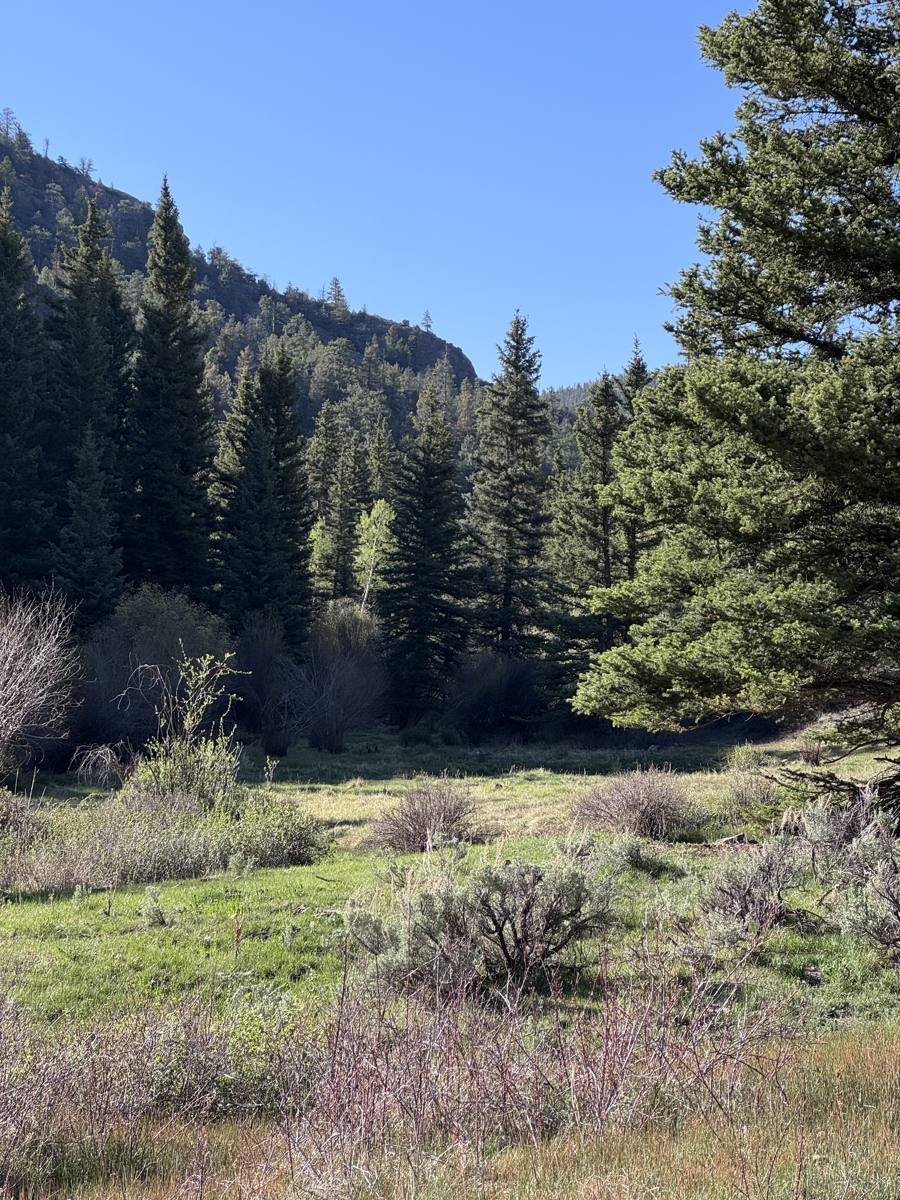
Subalpine Fir vs Douglas Fir: Same Name, Different Wood
Subalpine fir and Douglas fir share a name but not much else. Why we do not mill much subalpine fir, and where a cheap log can still make sense.
Read it →Lumber, drying and the mill
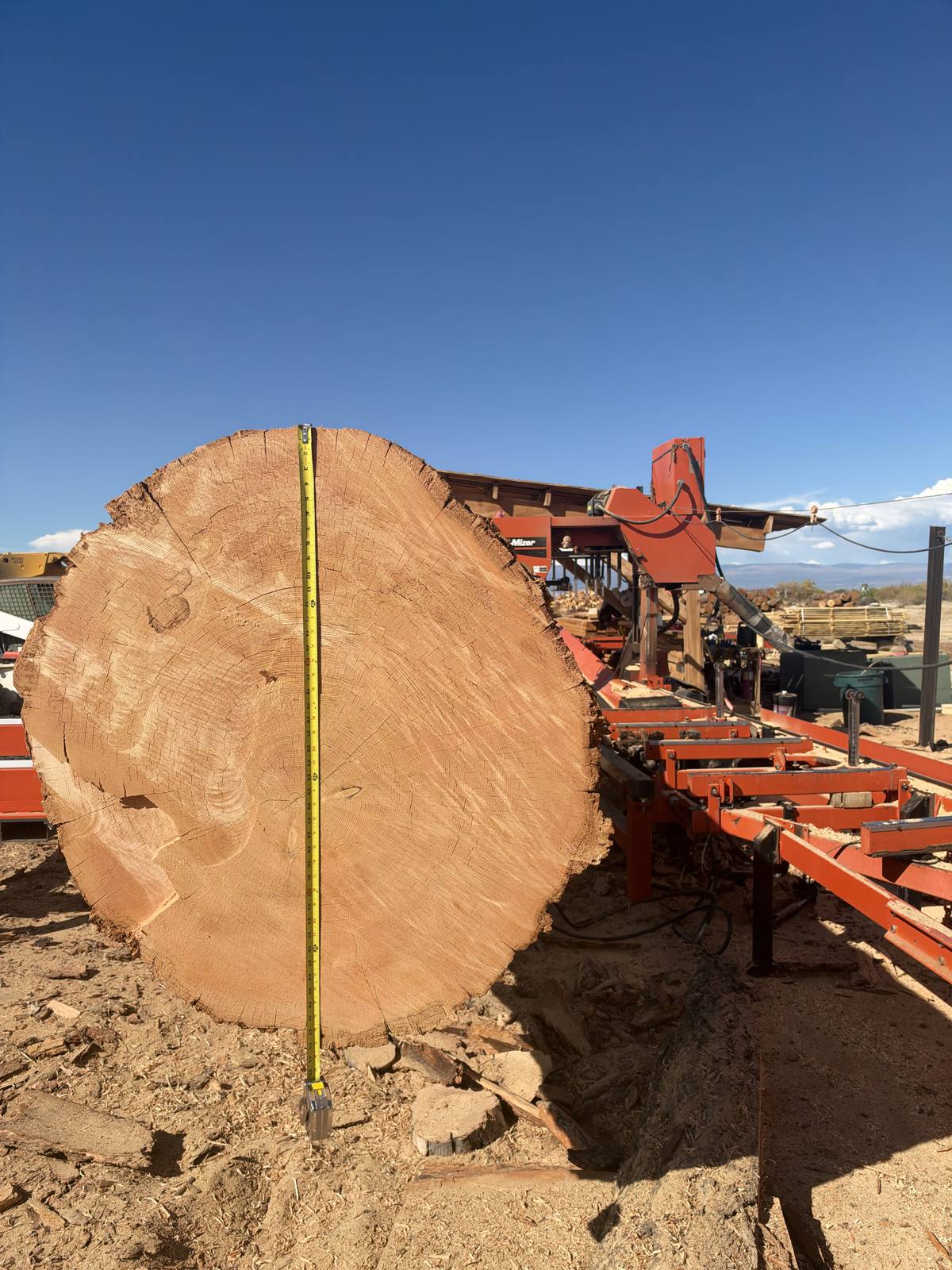
What Our Sawmill Can Cut: Lengths, Widths and Sizes
The real limits of our Wood-Mizer LT70: log lengths from 8 to 32 feet, 35 inch cuts, 48 inch logs, true dimension timbers and our longest beam.
Read it →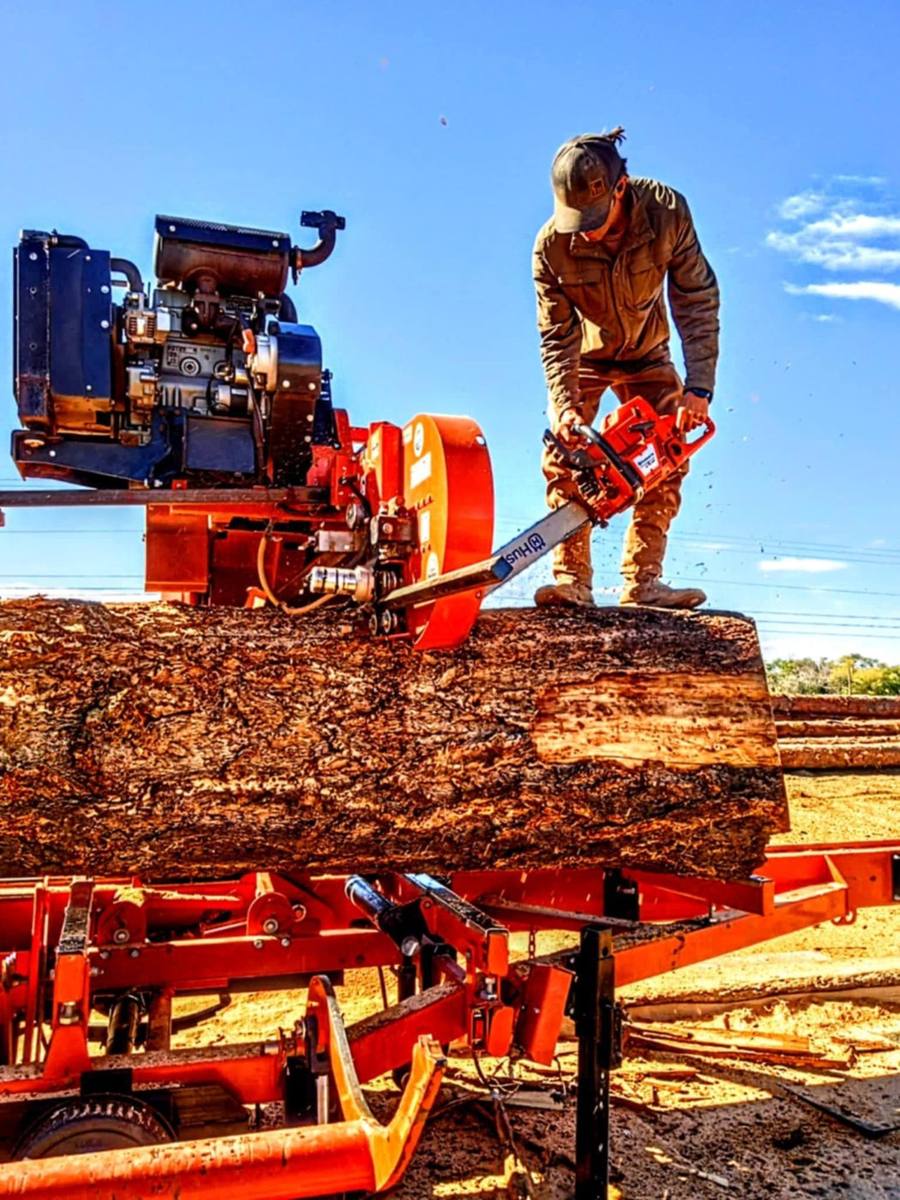
A Sawmill Is More Than a Saw
Everything that has to run around the sawmill before a board leaves our yard: the edger, conveyors, Pettibone, Bobcat and the kiln.
Read it →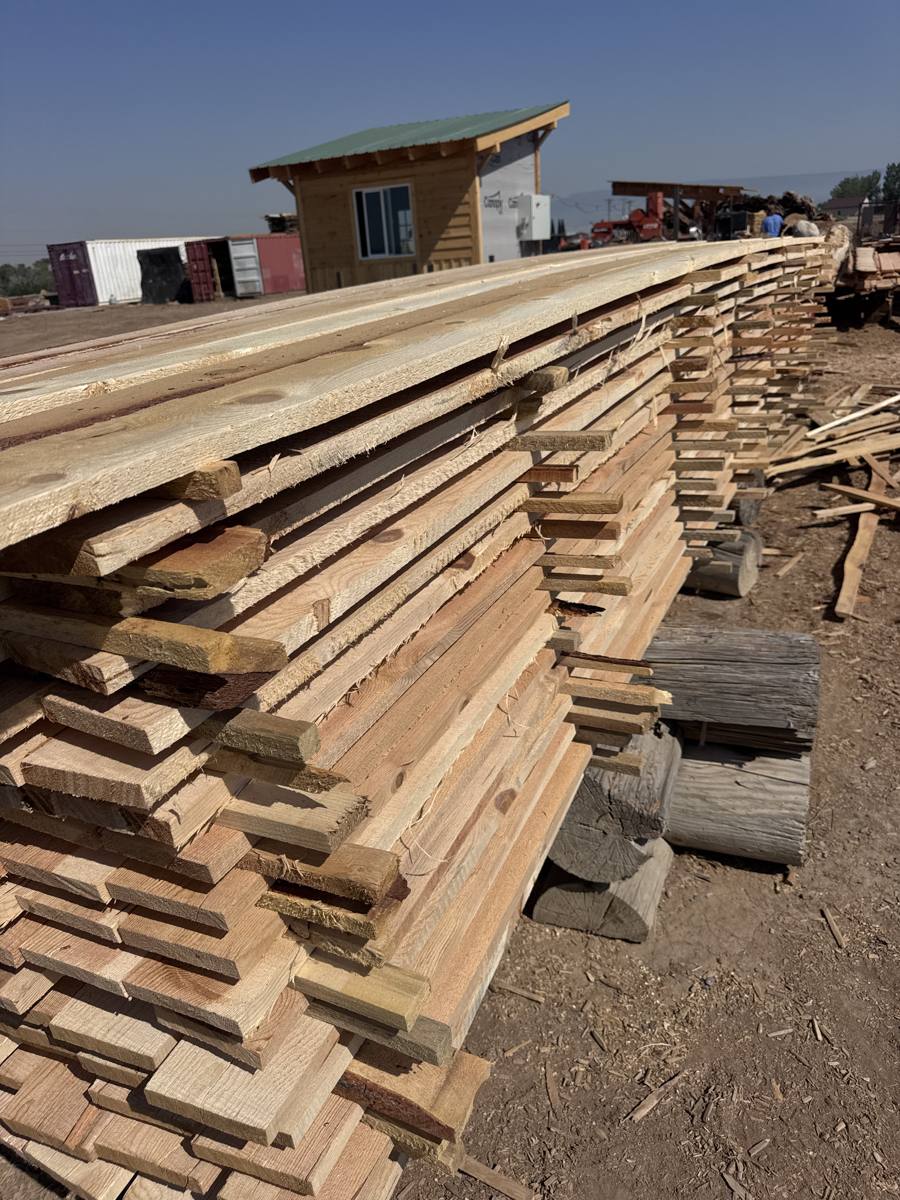
Stacking, Stickering and Kiln Drying: Where Good Lumber Is Made
Why lumber has to dry, what a sticker does, how we stack, air dry and kiln dry our wood, and how to store it once it gets to your place.
Read it →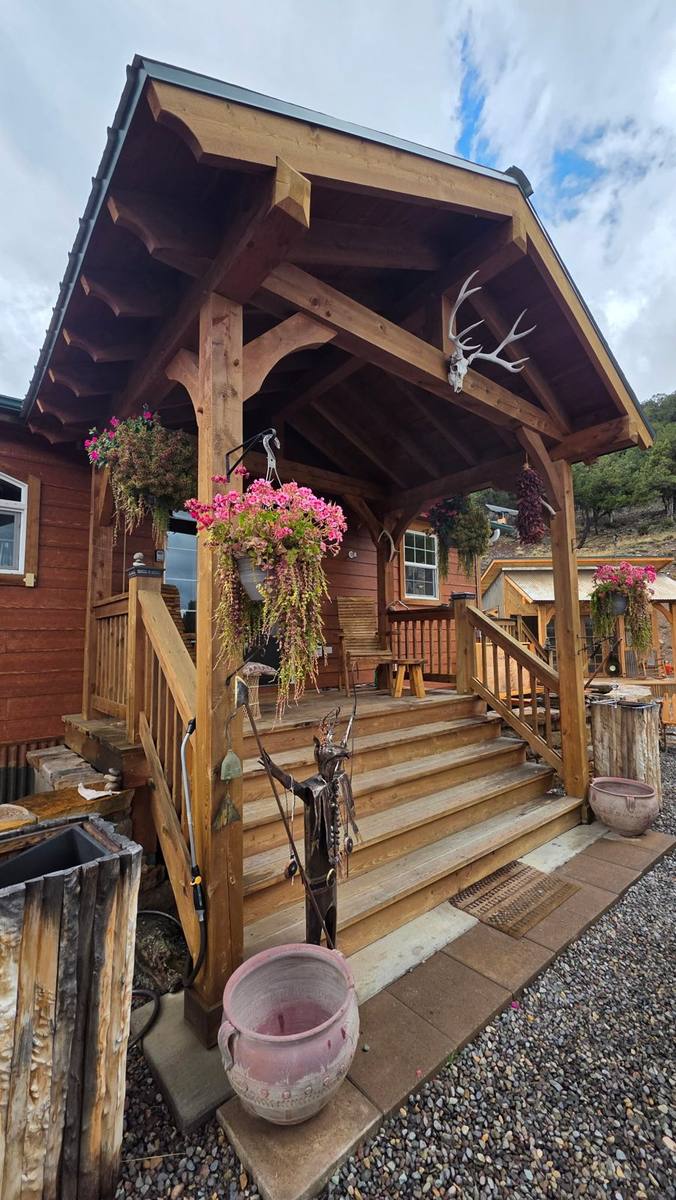
Wood Is Gonna Wood: Movement, Checks and What to Expect
Every board moves, kiln dried or not. What to expect from timbers and boards, why checks happen, and how to face a timber so you never see them.
Read it →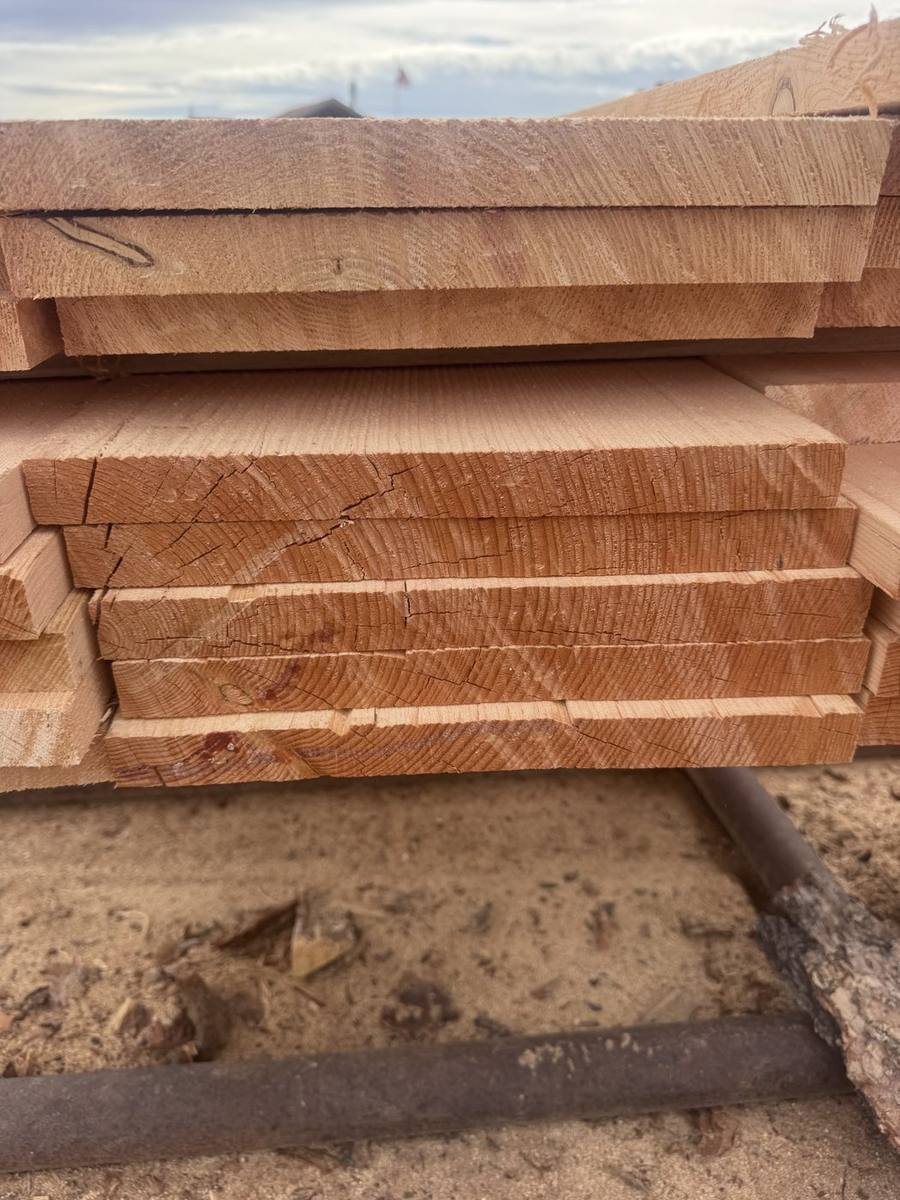
Is a 2x6 Really 2 by 6? True Dimension Lumber, Explained
Why a store 2x4 measures 1-1/2 by 3-1/2, what full dimension rough sawn lumber is, and what it means for strength, looks and hardware.
Read it →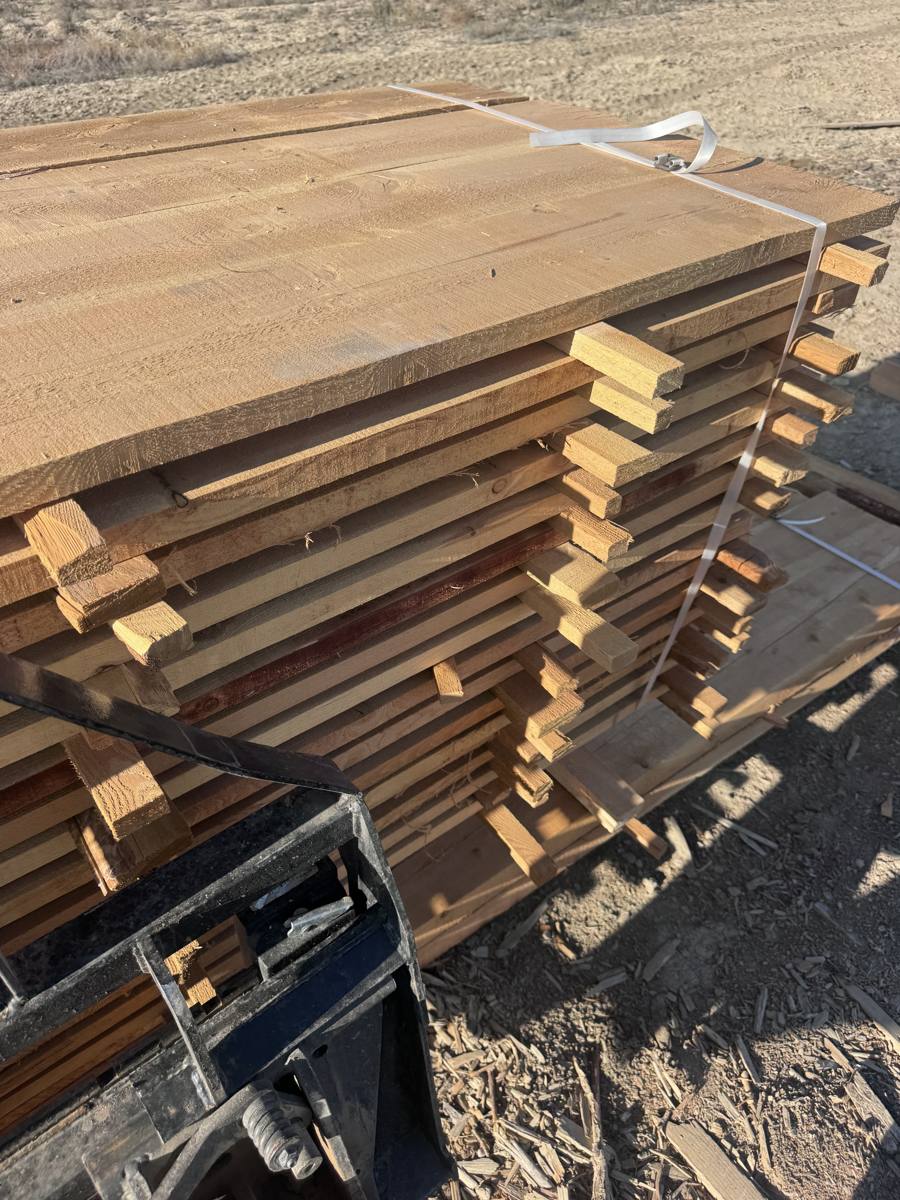
Green, Air Dried or Kiln Dried: Which Lumber Do You Need?
What green, air dried and kiln dried lumber each mean, which jobs each one is right for, and the mistake that opens gaps in ceilings.
Read it →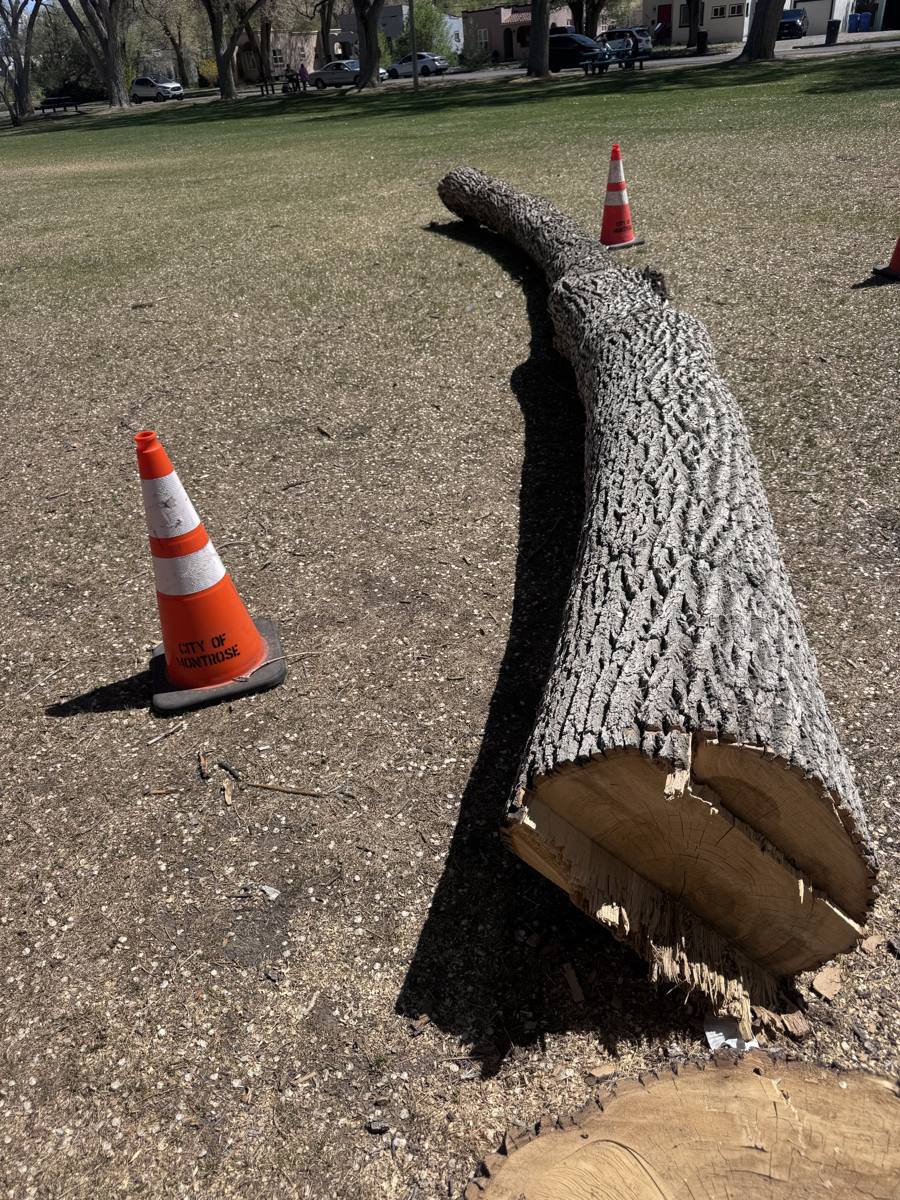
Got a Tree Coming Down? How to Save the Log for Lumber
Where to cut a tree so the log is worth milling, why limbs are not saw logs, and how to get your tree milled or sold to a local sawmill.
Read it →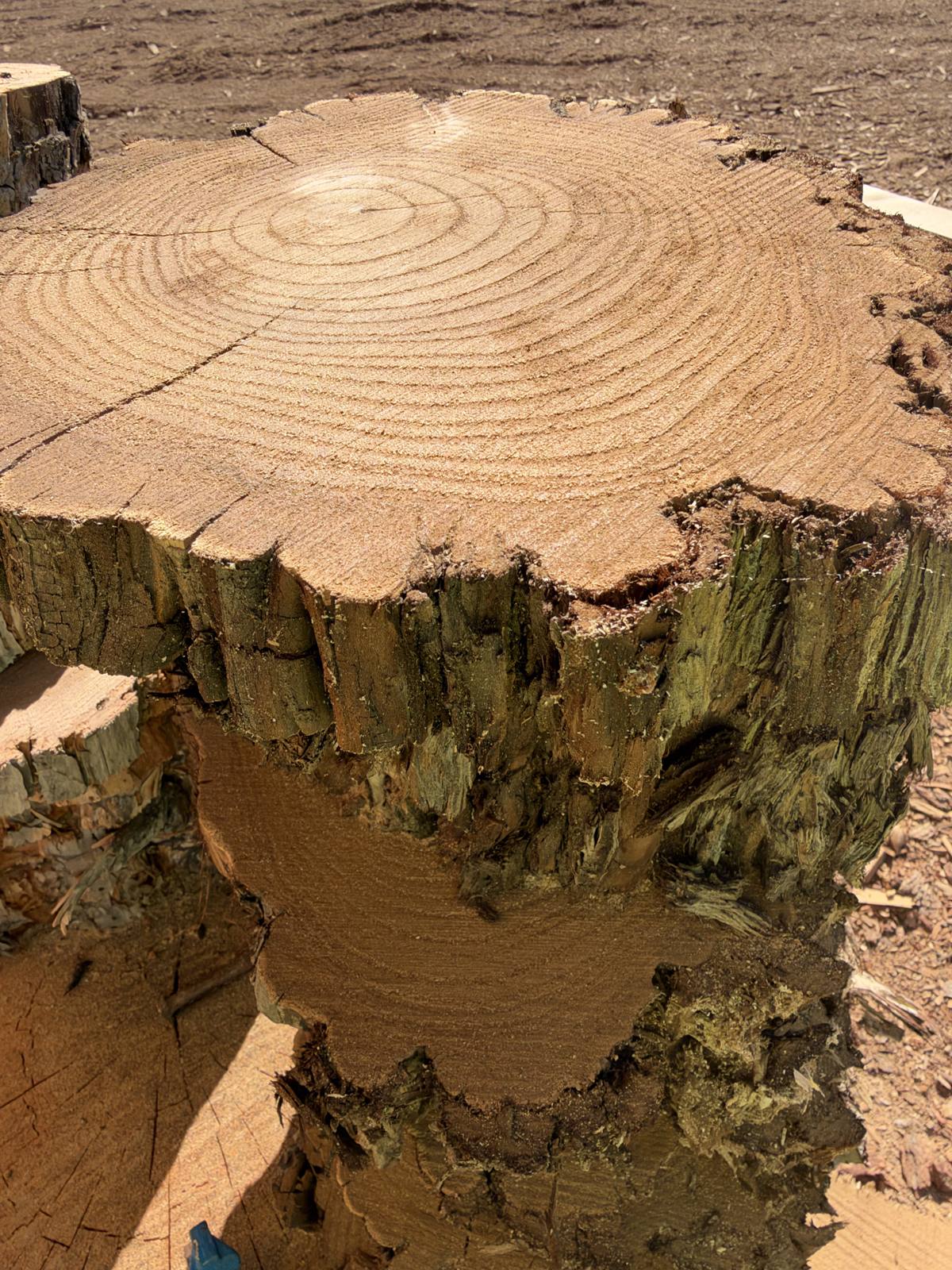
Why Your Board Turned Into a Hockey Stick
Leaning trees grow compression wood that is loaded like a spring. How to spot it on a log, and how our sawyers keep it out of your beams.
Read it →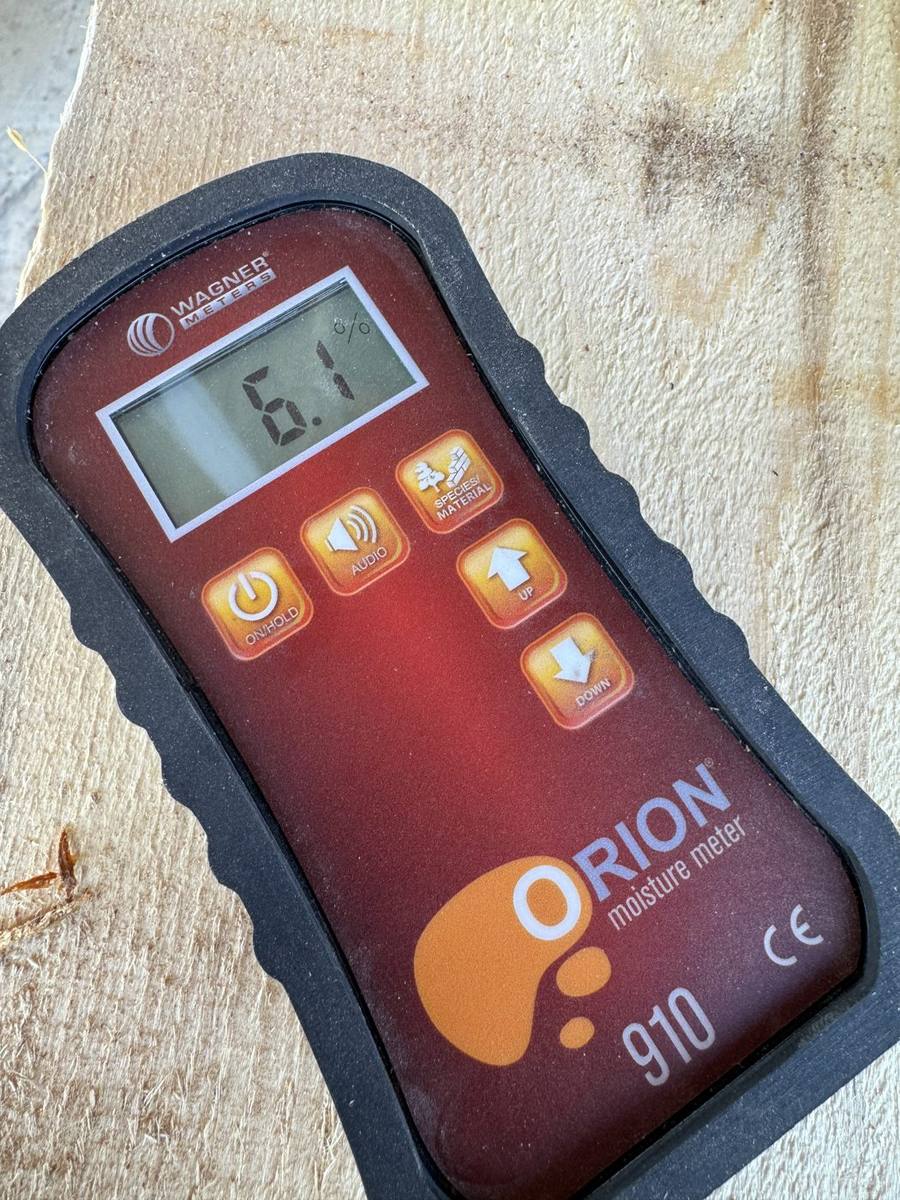
Kiln
How our kiln works.
Read it →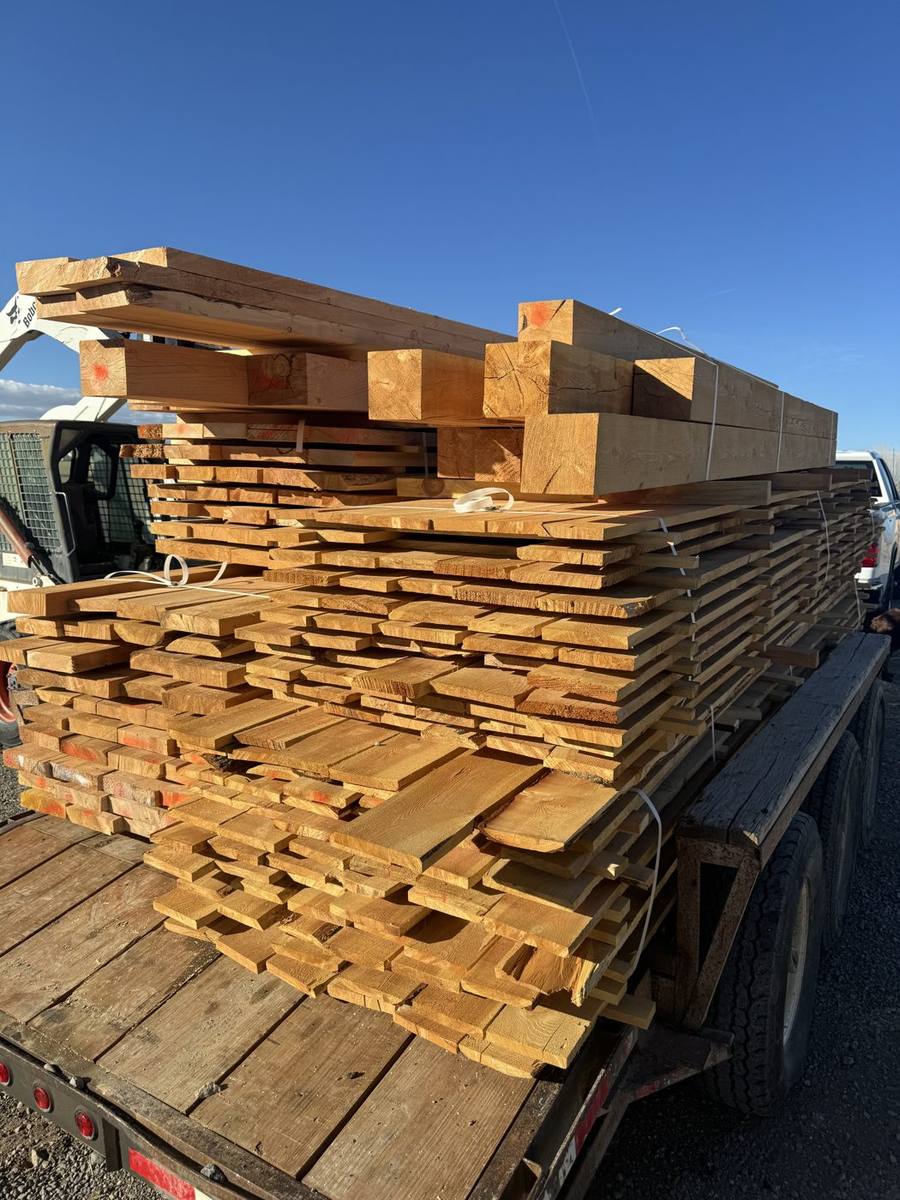
From Logs to Living: Lumber Products at JAMCo Woodworks
What we make from local logs.
Read it →Rather talk it through?
Grab 15 minutes on the phone, or come walk the yard and see the wood in person.